

Essential Nutrients for
Ocular Vitality
True systemic support for your eyes begins with the fuel you provide. Explore the raw materials required for pigment maintenance and light sensitivity.
Beta-carotene is a carotenoid found primarily in orange-colored plants. When consumed, the body converts it into Vitamin A, which contributes to the maintenance of normal vision, especially in low-light environments. Without adequate levels, the surface of the eye can become overly dry, impacting overall comfort and clarity.
Primary Sources
- • Sweet Potatoes
- • Carrots
- • Pumpkins
- • Red Bell Peppers
Functional Role
Protects the cornea and facilitates the conversion of light into electrical signals sent to the brain.
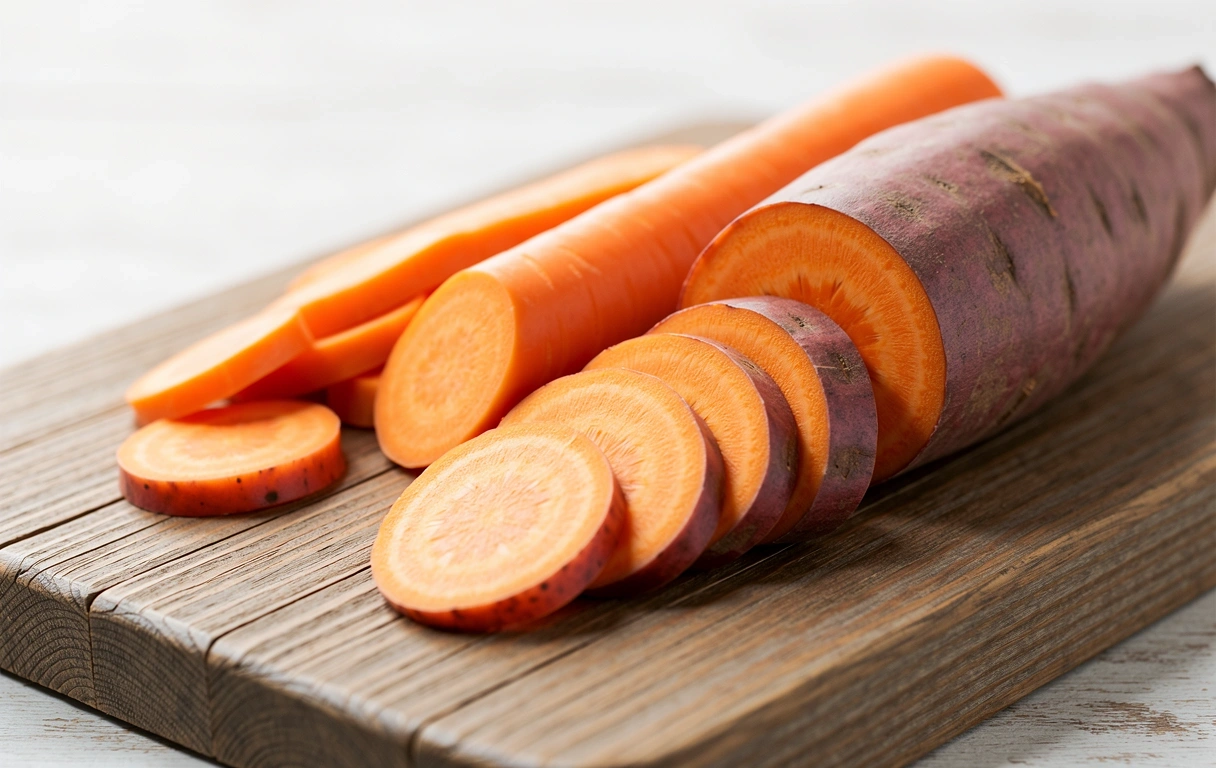
Exhibit 1.1: Root Beta-Carotene
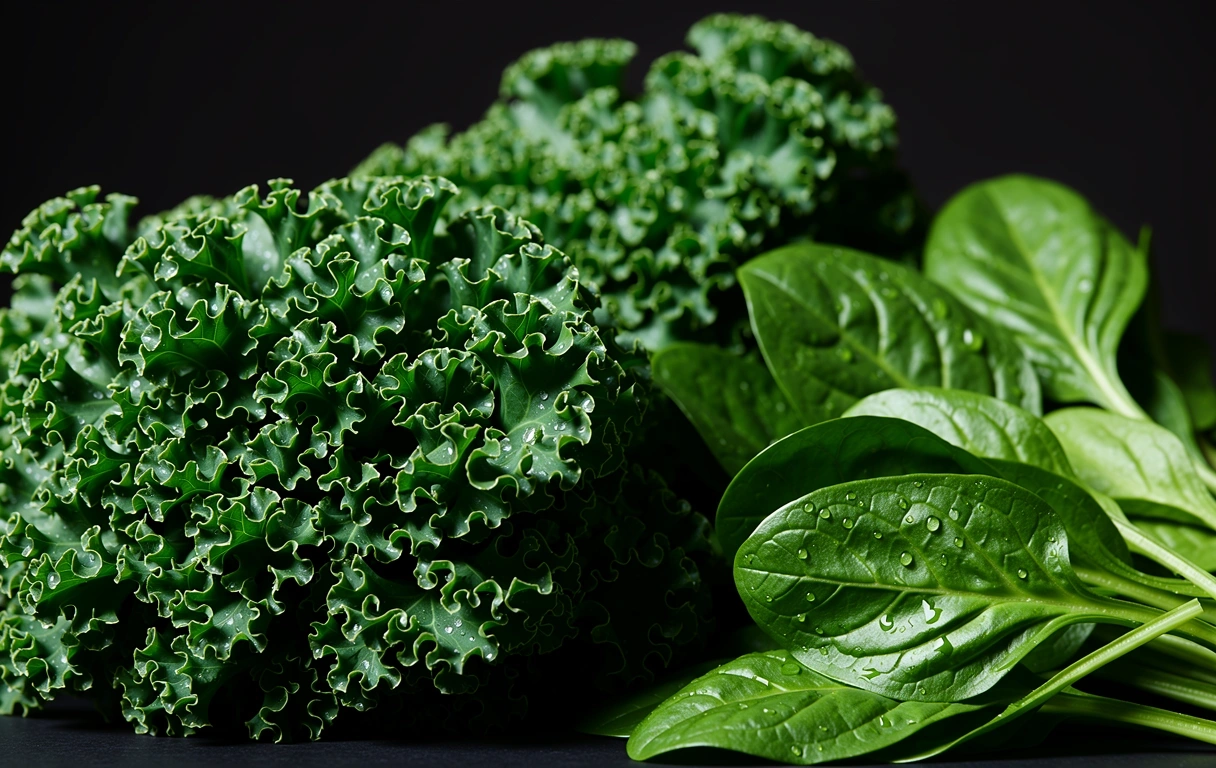
Lutein & Zeaxanthin
Often called the "eye vitamins," these two carotenoids are natural antioxidants that migrate specifically to the macula. They act as a biological filter, absorbing high-energy blue light and protecting the delicate photoreceptor cells from intensity-induced fatigue.
Regular intake of these nutrients is associated with maintaining sharp central vision. Since the human body does not produce them naturally, they must be sourced through a targeted diet of beneficial foods for the eyes.
Green Dominance
Dark leafy greens like spinach, kale, and collards are the most potent sources. Interestingly, corn and egg yolks also provide bioavailable forms of zeaxanthin.
Preparation Tip
Combining these greens with a healthy fa, like avocado or olive oil, helps your body absorb the carotenoids more effectively during digestion.
Vitamin C, E & Zinc
While Vitamin A and carotenoids manage light and focus, the combination of Vitamin C, E, and Zinc forms a defensive network for the eye's vascular health. These elements work in tandem to neutralize oxidative stress that occurs through daily light exposure and metabolic processes.
Zinc is particularly unique; it acts as a carrier molecule, helping transport Vitamin A from the liver to the retina to produce melanin, a protective pigment in the eyes.
Citrus & Berries
High Vitamin C density to support fragile eye capillaries.
Seeds & Nuts
Vitamin E helps protect cells from unstable molecules.
Legumes & Poultry
Rich in Zinc, vital for the structural integrity of the retina.
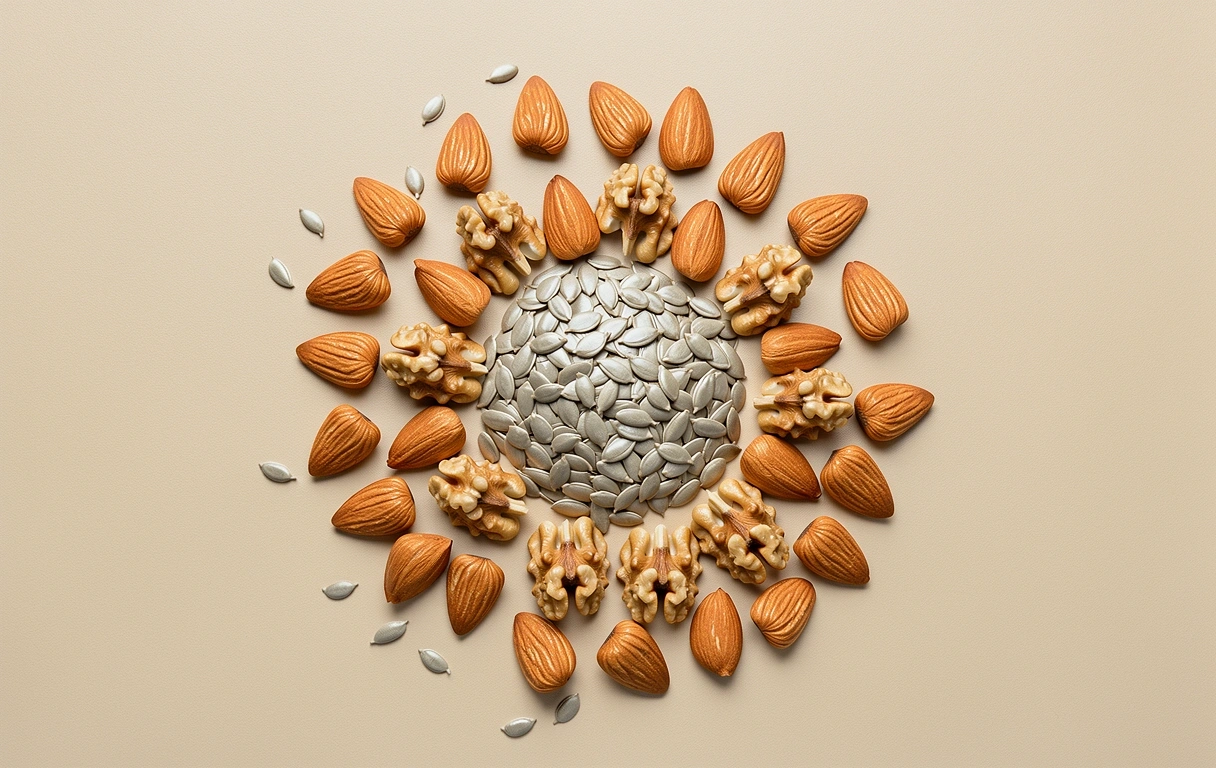
Nutrient Density Map: Seeds & Nuts
Verified sources for natural eye wellness maintenance.
The Fatty Acid Link
Omega-3 fatty acids, found in fatty fish like salmon and mackerel, are necessary for visual development and retinal function. They also play a role in maintaining the oily layer of the tear film, preventing the sensation of dry or tired eyes.
Learn about our methodology →Building Your Natural Routine
Nutrition is only one pillar of visual well-being. Combining a nutrient-rich eye wellness diet with structured ocular movement training creates a balanced approach to vitality.
Daily Checklist
- Include one dark leafy green serving
- Incorporate a handful of nuts or seeds
- Choose orange fruits for mid-day snacks
- Stay hydrated to maintain moisture levels
MakananMata is an educational resource. Consult with your personal healthcare provider before making significant dietary changes.
Vision is more than looking.
It is how you nourish your perspective.