
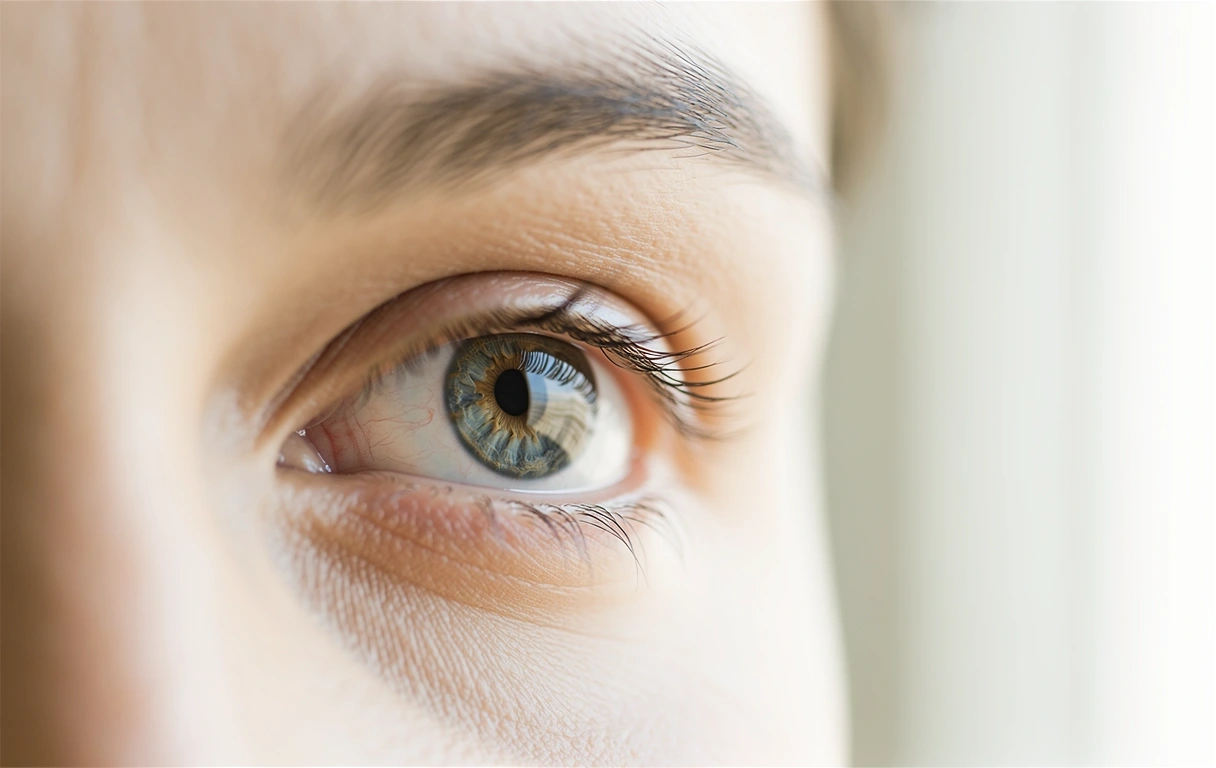
Detailed view of a relaxed human eye
Daily Discipline

Natural Movement for
Visual Comfort

Modern visual demands often lead to fixed-focus fatigue. We have curated a technical support sheet of non-medical techniques designed to relax eye muscles and encourage natural flexibility through deliberate movement.

Quick Navigation

Integration Note: These movements should be performed in a well-lit environment without lenses or glasses if comfortable.

01 /

Dynamic Focus Shifting

This exercise challenges the flexibility of the ciliary muscles, which are responsible for changing the shape of the lens to focus on varying distances. When we stare at screens, these muscles remain in a static state for too long.

Practice Steps:

Hold your thumb about 10 inches from your face. Focus on it for 15 seconds. Then, shift your gaze to an object roughly 20 feet away. Maintain focus for another 15 seconds. Alternate five times to encourage muscle agility.
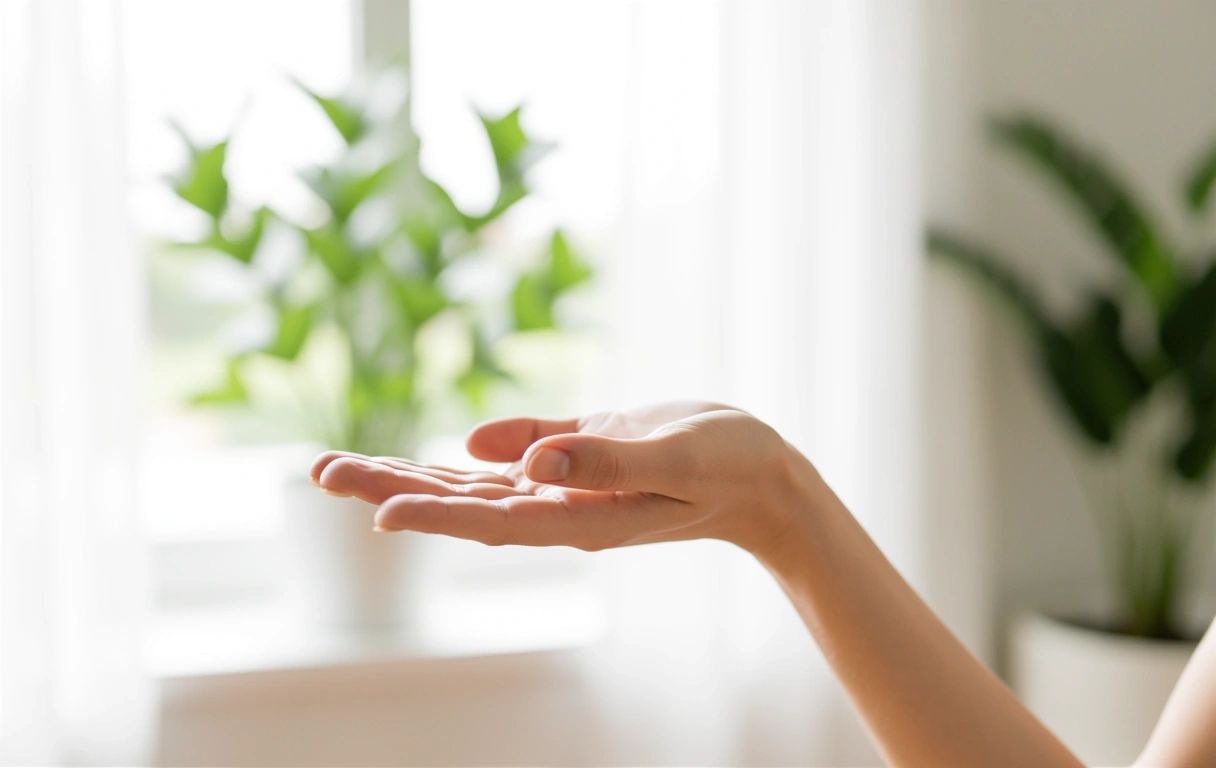
Visual focus exercise demonstration
02 /

The Figure Eight (Directional Tracking)

Tracking movements help maintain the range of motion in the six extraocular muscles that control eye positioning. These muscles can become stiff when eye movement is limited to the small rectangular margins of a monitor or phone.

Imagine a large "8" turned on its side (an infinity symbol) about 10 feet in front of you. Slowly trace this shape with your eyes, moving your gaze along the curves without moving your head. Perform this in one direction for one minute, then reverse the direction.

03 /

Palming for Sensory Rest

Palming is a relaxation technique used to provide a complete break from light stimulation. By creating a dark environment for the eyes, you allow the photoreceptors in the retina to recover from constant exposure.

Duration: 2-3 Minutes

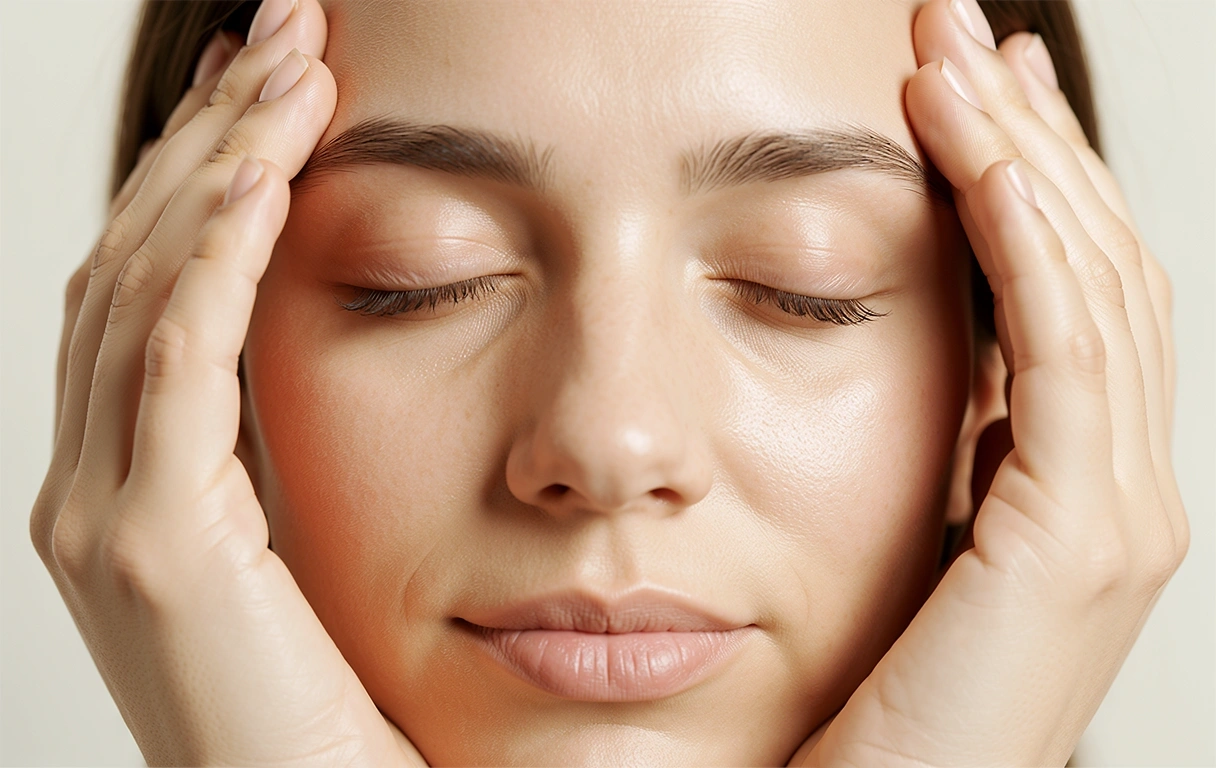
Hands cupped over eyes for palming relaxation

Rub your palms together until they feel warm. Close your eyes and place the base of your palms over your cheekbones, cupping the eyes so no light enters. Avoid applying pressure to the eyeballs. Breathe deeply and visualize total darkness.

04 /

The 20-20-20 Frequency Rule

"Every 20 minutes, look at something 20 feet away for at least 20 seconds."

Consistently following this interval is more effective than doing long sessions of exercises once a day. It prevents the build-up of eye strain by recalibrating the focal system at regular intervals.

Internal Support

Beyond Movement:
Feeding Your Vision

While eye exercises address the mechanical aspect of visual comfort, the physiological aspect requires specific nutrients. Lutein, Zeaxanthin, and Omega-3 fatty acids provide the structural foundation for the retina and tear film.

Frequently Requested Guidance

Need specific lifestyle tips?

Our team is available to discuss natural wellness routines and nutritional support strategies during business hours.

[email protected] +62 22 5534870